|
Key Takeaways:
|
Why Pool Winterization Is Essential for Protecting Your Swimming Pool
If you own a swimming pool in Hampton, Williamsburg, York County, or anywhere in Hampton Roads, closing your pool for the winter is one of the most important maintenance decisions you’ll make each year. While our winters may be milder than those in the Northeast, freezing temperatures, heavy rainfall, falling leaves, and fluctuating weather can all damage an unprotected pool.
Professional pool closings & pool winterization helps safeguard your pool’s plumbing, equipment, water quality, and finish during the off-season. More importantly, it helps prevent expensive repairs and makes reopening your pool in the spring significantly easier. At Fox Pools, we’ve helped homeowners throughout Virginia prepare their pools for winter with professional pool closing services designed to protect their investment year after year.
What Does It Mean to Winterize a Pool?
Pool winterization is the process of preparing your swimming pool to remain unused during the colder months while protecting every major component from seasonal damage. Many homeowners assume closing a pool simply means installing a cover. In reality, proper winterization involves a series of carefully performed maintenance steps that work together to preserve your pool until spring.
A professional pool closing typically includes:
- Thoroughly cleaning the pool to remove leaves, dirt, and organic debris
- Vacuuming and brushing pool surfaces
- Testing and balancing the water chemistry
- Adding winter treatment chemicals that help inhibit algae growth
- Lowering the water level where appropriate
- Draining pumps, filters, heaters, chlorinators, and exposed plumbing
- Removing water from plumbing lines to reduce the risk of freeze damage
- Installing a properly fitted winter or safety cover
- Inspecting pool equipment before seasonal shutdown
Why Is Winterizing a Pool So Important?
The biggest reason to winterize a pool is simply because water expands when it freezes. Even in coastal Virginia, overnight freezing temperatures can occur. Water trapped inside plumbing lines, pumps, filters, or heaters can freeze and expand, causing cracked pipes, damaged equipment, and costly repairs that may not become apparent until spring. Professional pool winterization greatly reduces these risks by ensuring vulnerable equipment is properly prepared before freezing weather arrives. Pool Winterization also protects your pool from:
- Algae growth
- Water contamination
- Surface staining
- Scale buildup
- Clogged filtration systems
- Premature equipment wear
- Excessive spring cleanup
Why Professional Pool Closings Matter
Pool systems are more complex than many homeowners realize. Modern pools include circulation equipment, filtration systems, automation controls, heaters, chlorinators, plumbing networks, and specialized finishes that all require proper seasonal preparation. Missing even one step during the closing process can create problems months later. Having your pool professionally winterized helps ensure every component is protected before colder temperatures arrive.
Experienced pool professionals understand:
- How water chemistry changes during winter
- The proper winter chemical balance
- How to protect plumbing from freeze damage
- Equipment manufacturer recommendations
- The correct installation of winter safety covers
- Regional weather patterns that affect pools throughout Hampton Roads
The Cost of Not Properly Winterizing Your Pool
*Note: These are typical industry ranges and can vary depending on the pool system, equipment brand, and extent of damage.
| Pool Component | Potential Damage Without Winterization | Estimated Repair or Replacement Cost |
| Pool Pump | Cracked housing or freeze-damaged motor | $500 – $1,500+ |
| Pool Filter (Sand, Cartridge, or DE) | Cracked filter tank or internal components | $400 – $2,000+ |
| Pool Heater | Freeze-damaged heat exchanger or plumbing | $1,000 – $5,000+ |
| PVC Plumbing Lines | Burst underground pipes from frozen water | $500 – $5,000+ (depending on excavation required) |
| Pool Skimmer | Cracked skimmer body from ice expansion | $800 – $2,500+ |
| Return Fittings & Plumbing | Broken fittings or cracked pipes | $200 – $1,000+ |
| Multiport Valve | Freeze-cracked valve housing | $250 – $700+ |
| Chlorinator/Salt Cell | Freeze damage to housing or cell components | $400 – $1,200+ |
| Pool Automation Controls | Water intrusion or damaged sensors from improper shutdown | $300 – $2,000+ |
| Waterline Tile & Coping | Freeze-thaw movement causing cracks or separation | $500 – $3,000+ |
| Vinyl Pool Liner | Tears or shifting caused by improper water level | $4,000 – $8,000+ (replacement) |
| Pool Surface (Concrete/Gunite) | Freeze-related cracking or spalling | $1,000 – $10,000+ |
| Fiberglass Pool Finish | Surface cracking or structural stress | $1,000 – $8,000+ |
| Complete Equipment Pad Replacement | Multiple components damaged after a hard freeze | $5,000 – $15,000+ |
The Cost of Prevention vs. Repairs
| Professional Pool Closing | Potential Cost of Major Freeze Damage |
| Typically $300–$700 (depending on pool size, equipment, and cover type) | $5,000–$15,000+ in repairs or equipment replacement |
Do You Need a Pool Cover During Winter?
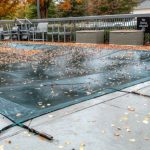
Yes. A quality winter pool cover is one of the most valuable investments you can make. Without a cover, leaves, sticks, pollen, insects, and debris continually enter the pool throughout the fall and winter. Organic material breaks down in the water, increasing nutrient levels that encourage algae growth and make spring cleanup much more difficult. Many homeowners also choose a mesh or solid safety cover, which can provide an additional layer of protection for children and pets when professionally installed.
A properly fitted winter cover helps:
- Keep debris out of the pool
- Reduce sunlight that contributes to algae growth
- Improve water quality
- Reduce chemical loss
- Make spring opening faster
- Protect the pool during storms
Why Local Experience Matters
Pool care isn’t the same everywhere. Virginia’s coastal climate presents unique challenges. Hampton Roads experiences fluctuating temperatures, heavy fall leaf accumulation, winter rain, occasional freezing conditions, and high humidity all of which influence how pools should be prepared for winter. With over 12 years of experience Fox Pools understands local conditions, and when pools should be closed, how to adjust water chemistry for the region, and how to protect equipment from the weather patterns common throughout Virginia Beach, Williamsburg, York County, Chesapeake, Norfolk, and surrounding communities.
Protect Your Investment with Fox Pools
Your swimming pool is one of the largest investments in your home. Protecting it during the off-season is one of the simplest ways to extend its lifespan, reduce maintenance costs, and avoid unnecessary repairs. At Fox Pools, our experienced technicians follow a comprehensive pool closing process that prepares your pool for winter by protecting equipment, balancing water chemistry, and installing the appropriate winter cover. Our goal is to ensure your pool remains protected throughout the off-season and is easier to reopen when warmer weather returns.
Schedule Your Pool Closing Before Winter Weather Arrives
If you’re looking for experienced pool professionals serving Virginia Beach, Williamsburg, York County, Chesapeake, Norfolk, and the greater Hampton Roads area, contact Fox Pools today to schedule your professional pool closing and pool winterization service.
Why Homeowners Trust Our Pool Closing Service
✓ Experienced winterization specialists
✓ Use of 30,000-gallon winter kits for large pools
✓ Thorough chemical balancing
✓ Proper equipment care and line protection
✓ Installation of Gizmos® for added protection
✓ Clean, professional cover placement
Frequently Asked Questions About Pool Winterization/Pool Closing
When should I close my pool?
We recommend closing your pool once temperatures drop to around 55 degrees, but a closing can be done at any time before it gets below freezing. Once the cover is on, it prevents algae growth by stopping photosynthesis, which makes the pool much easier to maintain than leaving it open and unused through the cold months. Fall appointments fill up quickly, so call us early to get on the schedule.
Why is blowing out the lines so important?
Any water left in the pipes will freeze, expand and crack the plumbing, which can mean expensive underground repairs in the spring. Our high powered blower evacuates the water and we plug every line, so there is simply nothing left to freeze. This is especially critical for below grade systems, where a standard blower cannot clear the lines completely.
What is included in the winterization chemical kit?
The kit includes a strong shock, an algaecide and a stain preventer. Together they keep the water sanitized, fight algae and protect the pool surface during the months when the system is not circulating.
What is the difference between a water bag cover and a safety cover?
A water bag cover is a loose cover held down by water filled tubes. It offers basic debris protection but no real security. A safety cover anchors into the deck, stays tight all winter and meets ASTM safety standards, providing a true barrier for children and pets.
Should I choose the Ultra Mesh or a solid cover?
Ultra Mesh is lighter, drains on its own and blocks 98.9 percent of sunlight, making it the easiest cover to live with. A solid cover blocks 100 percent of sunlight and all debris for the cleanest possible spring opening, but it requires a cover pump and two people to handle. We are happy to help you decide which fits your pool and lifestyle.
Do you lower the water level when you close the pool?
No. Our specialized blower purges the plumbing lines with the pool at full level, so lowering the water is unnecessary. Keeping the pool full supports the cover through the winter and saves you the cost of refill water and balancing chemicals when the pool opens in the spring.
What do I need to do before my closing appointment?
Have your pool chemicals balanced, clear the yard of leaves and debris, and make sure our technicians have access to your pool cover, plugs and Gizzmos. Chemical balancing is not included in our closing service, so taking care of it ahead of time means your pool goes into winter fully protected.
How long does a pool closing take?
Most closings take one to two hours depending on the size of the pool and its features.