Pool Filter Cartridge Cleaning
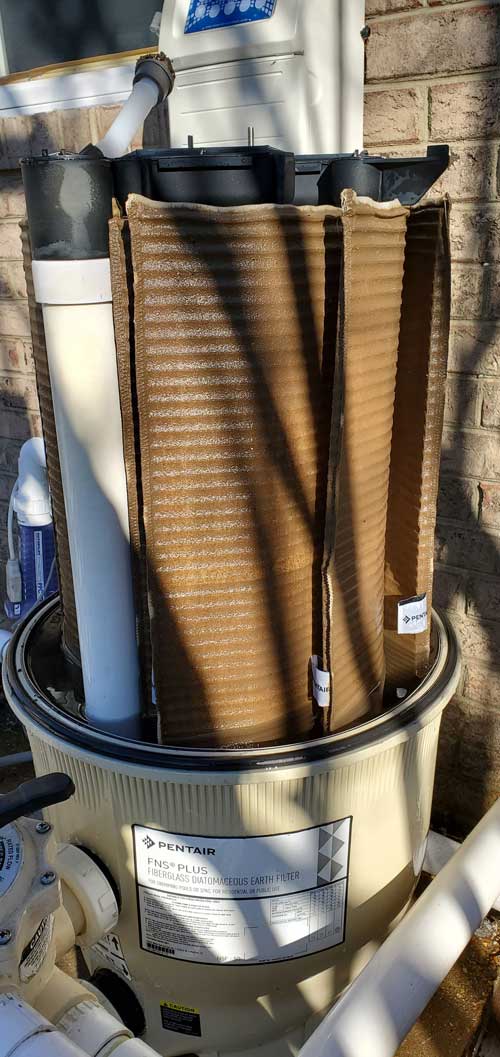
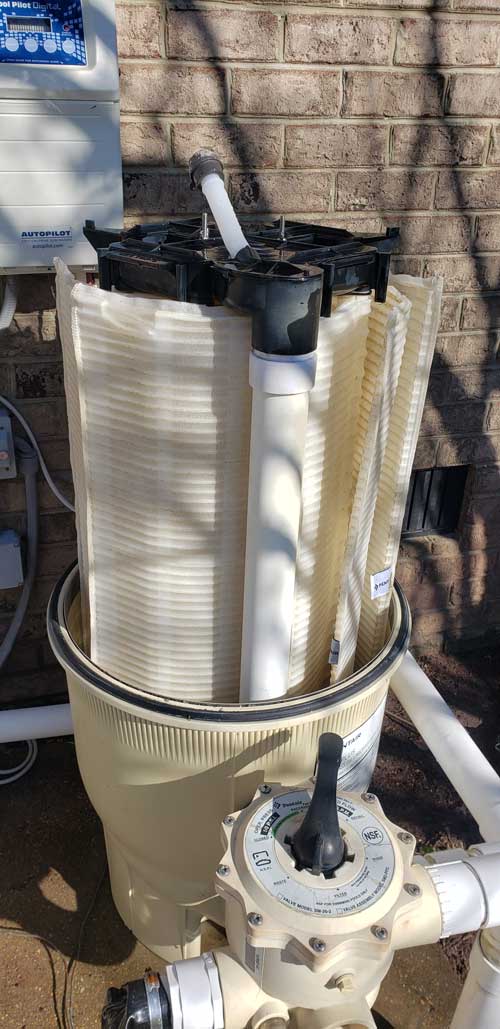
We deep clean your Pleated Filter using filter safe cleaning agents that remove dirt, oils, grease, sunscreen, and other contaminants. Our specialized filter comb cleans filters faster using less water.

Routine service of your pool’s equipment keeps your system operating at peak efficiency- resulting in decreased energy costs, higher water quality, and maximum equipment lifespan. Properly closing and re-opening your pool ensures that your equipment & plumbing remain undamaged during the cold winter months, and that they perform at their best as soon as you are ready to enjoy your pool again!
How often should a pool filter cartridge be cleaned?
Most pool filter cartridges should be cleaned every 3–6 months, depending on pool usage, debris levels, and water conditions. Heavy use or lots of trees nearby may require more frequent cleaning.
What are the signs my cartridge filter needs cleaning?
Common signs include reduced water flow, cloudy water, higher-than-normal filter pressure, and longer filtration times. Regular cleaning helps maintain proper circulation and water clarity.
How often should D.E. filter grids be cleaned?
D.E. grids typically need a thorough cleaning at least once per season, though high-use pools may require more frequent service. Annual deep cleaning is strongly recommended.
What happens if D.E. grids are not cleaned regularly?
Dirty grids reduce filtration efficiency, increase system pressure, and can lead to poor water clarity or equipment strain. Over time, neglect can shorten the lifespan of the filter system.
How often should pool filter sand be replaced?
Most sand filters need new sand every 3–5 years. Over time, the sand becomes rounded and less effective at trapping debris.
What are the signs my pool filter sand needs changing?
You may notice cloudy water, algae returning quickly after treatment, or poor filtration even after backwashing. These are strong indicators that the sand media is worn out.
How often should a salt cell be cleaned?
Salt cells typically need inspection every 3 months and cleaning as needed, usually 1–2 times per season depending on calcium buildup and water chemistry.
What happens if a salt cell is not cleaned?
Calcium scale can build up on the plates, reducing chlorine production, causing system errors, and potentially shortening the life of the salt system.
When is the best time to close my pool?
The ideal time to close your pool is when water temperatures consistently drop below 60°F. Closing too early can increase the risk of algae growth.
What does a professional pool closing include?
A typical closing includes water balancing, equipment winter prep, lowering water level if needed, blowing out lines (if winterized), adding winter chemicals, and properly installing the pool cover.
When should I schedule my pool opening?
Most homeowners should open their pool in early spring before water temperatures rise too high. Opening early helps prevent algae growth and makes startup easier.
How long does a pool opening service take?
Most standard pool openings take 1–3 hours depending on pool condition, cover type, and whether additional cleaning is needed.
What is the difference between pool closing and winterization?
Pool closing is the overall process of preparing the pool for the off-season, while winterization specifically refers to protecting plumbing lines and equipment from freeze damage by blowing out lines and adding antifreeze when needed.
Is pool winterization necessary in my area?
In regions that experience freezing temperatures, winterization is strongly recommended to prevent cracked pipes, damaged equipment, and costly spring repairs.

Fox Pools LLC is a swimming pool service and repair company. We perform pool service and repair, pool inspections, pool safety covers, pool openings, pool closings and more! We serve all of Hampton Roads.